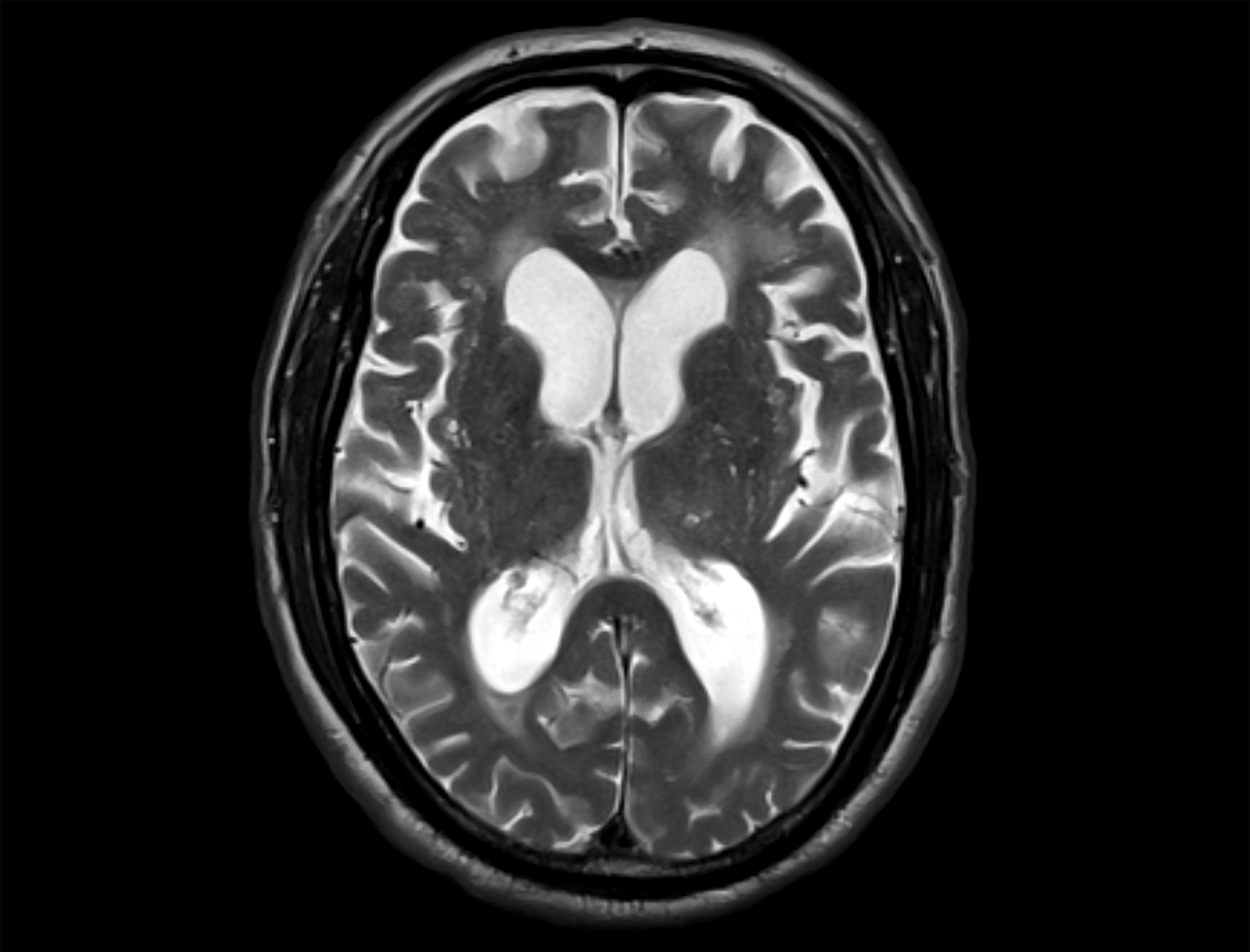
Pediatric cerebrovascular disorders and strokes are rare but demand immediate recognition and treatment. Because children show symptoms differently than adults, delays in diagnosis or treatment can quickly close the window for intervention. Rapid referral to a pediatric-capable center can make the difference between recovery and lifelong disability.
At Children's Health℠, in partnership with UT Southwestern, the Center for Cerebrovascular Disorders in Children brings together pediatric neurologists, neurosurgeons and interventional specialists. Together, they deliver coordinated care from emergency intervention through long-term recovery.
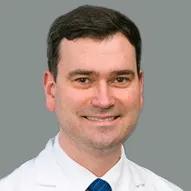
"Two million neurons die every minute during a stroke," says Wilmot Bonnet, M.D., Pediatric Neurologist at Children's Health and Assistant Professor at UT Southwestern. "Our focus is on acting as quickly as possible, then caring for these kids through their recovery, rehab and back to school."
The team has built systems and infrastructure designed for speed, precision and continuity. Here are four innovations driving their efforts.
On-site pediatric thrombectomy and hybrid surgical care
Most pediatric hospitals transfer children to adult facilities for thrombectomy, adding critical delays during a narrow treatment window. Children's Health performs thrombectomies on-site, with pediatric anesthesiologists – including cardiac anesthesiologists for medically complex patients.
The team can move directly from diagnosis to intervention within minutes. "When a child needs intervention, we can wheel them down the hall and up an elevator instead of putting them on a helicopter," Dr. Bonnet says.
Children's Health also operates one of the only hybrid operating rooms in Texas dedicated to pediatric neurosurgery. The room combines advanced X-ray angiography with open surgical capability, allowing neurosurgeons to perform craniotomy, intraoperative angiography and endovascular intervention in a single procedure. The hybrid OR's advantages have proven so significant that Children's Health now performs all pediatric vascular cases there.
Team decision-making for multidisciplinary care
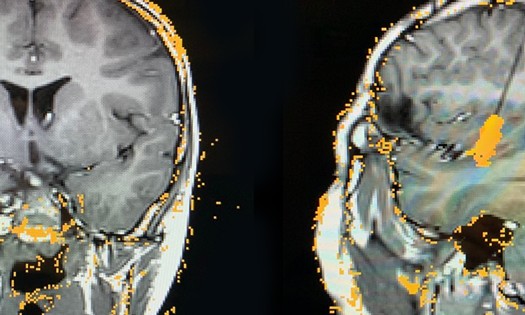
Specialists don't just work in parallel – they make decisions together. A bimonthly cerebrovascular case conference brings pediatric neurology, neurosurgery, interventional neurosurgery and neuroradiology into one room to review imaging and discuss complex cases. Some of these cases of cerebrovascular disorders and strokes in children include:
Stroke, including ischemic stroke and hemorrhagic stroke
Together, the team determines candidacy for treatment options including:
Revascularization
Radiation
Embolization
Resection
Medical management
Case study: Coordinated care improved patient outcome
This shared decision-making recently helped a 2-year-old with an internal carotid artery occlusion, younger than typical thrombectomy candidates. After reviewing imaging together, Dr. Bonnet and Rafael De Oliveira Sillero, M.D., Pediatric Vascular Neurosurgeon at Children’s Health and Assistant Professor at UT Southwestern, determined that the clot was in a large enough artery to be reachable. Dr. Sillero removed the clot, and today the patient attends kindergarten with only mild weakness in one hand – a dramatically improved outcome.
Long-term follow-up that supports recovery
That same collaboration shapes ongoing follow-up care. Children's Health runs two multidisciplinary outpatient clinics:
1. A stroke clinic with hematology for etiology workup and secondary prevention
2. An acquired brain injury clinic that brings together multiple specialties including:
Neurology
Physical medicine and rehabilitation
Neuropsychology
Nutrition
Social work
School services
The team follows each child through ICU, inpatient rehab and outpatient clinics – coordinating care during the most critical window for recovery.
"We continue caring for these kids long after the acute phase, surrounding them with comprehensive care and doing everything possible to keep them safe and maximize their potential," Dr. Bonnet says.
Faster diagnosis with system-wide, standardized stroke order sets
Diagnostic delay is one of the biggest barriers to timely pediatric stroke care. The average time to imaging confirmation is well beyond most intervention windows. To compress the timeline, Dr. Bonnet built a system-wide pediatric stroke order set and clinical guidelines. These tools put the correct imaging, labs and blood pressure parameters a few clicks away for frontline providers.
Alongside those tools, the team conducts ongoing education for providers across Children's Health on recognizing stroke symptoms, evaluating quickly and escalating care so that time-sensitive interventions remain an option.
The guidelines reflect the American Heart Association's first pediatric stroke recommendations, released in January 2026. They give frontline clinicians a clear diagnostic workflow while preserving room for clinical judgment.
Building pediatric stroke expertise across every level of care
Specialized training strengthens pediatric stroke care across the system. Children’s Health is home to one of the few pediatric stroke fellowships in the country, helping build expertise across the system.
The program was established by Michael Dowling, M.D., Ph.D., Pediatric Neurologist at Children’s Health and Professor of Pediatrics and Neurology at UT Southwestern and Editor-in-Chief of the journal Pediatric Stroke. It adds depth in pediatric stroke care while cross-training adult stroke fellows rotating through pediatrics. As a result, more providers can recognize pediatric stroke early and act quickly, supporting faster diagnosis and more coordinated care.
That teaching depth raises the bar across the system and beyond. Providers at Children’s Health gain extensive experience recognizing and responding to pediatric stroke, and the team shares their expertise through lectures and consultation with ER physicians and referring providers.
Learn more about multidisciplinary cerebrovascular care at Children’s Health.