More than half a million newborns are admitted to NICUs across the U.S. each year, and up to 25% of them are at risk for neurodevelopmental disabilities as they grow. The right care can minimize deficits and delays – but services are often too fragmented to allow the wraparound attention and early intervention these children need.
Children’s Health℠ offers the nation’s only integrated “fetus to five” care program for high-risk babies. The program, described in a recent issue of Pediatric Research, connects OB, neuroNICU and follow-up services to provide consistent care during the pivotal months and years when the human brain is growing and changing the most.
Follow-up occurs through the Children’s Health THRIVE clinic, which combines standard primary care with neurodevelopmental services – a model that has proven to improve outcomes while reducing costs.
“Our center proves that comprehensive resources and vigilant dedication, especially in those early make-or-break months, can give children and families a future they never thought possible,” says Lina Chalak, M.D., Division Chief of Neonatal-Perinatal Medicine at Children’s Health and Professor at UT Southwestern.
Routine care is fragmented and risks missed opportunities
Children born extremely premature or with other perinatal complications often have lifelong clinical needs but no easy path to meeting them. Their journey from prenatal care to NICU involves multiple handoffs to different teams. Their journey could then branch in multiple directions: neonatal follow-up clinics, developmental pediatrics, neurology clinics, physical therapy and more.
This paradigm is overwhelming for families – and ripe for error.
“Every handoff creates the opportunity for mixed messages and missed opportunities for follow-up,” Dr. Chalak says.
Comprehensive care cuts critical needs in half
Children’s Health started the THRIVE clinic more than 40 years ago to address exactly those problems. It has served nearly 8,000 patients and generated a strong record of outperforming routine care, including:
48% fewer life-threatening illnesses.
57% fewer intensive care admissions.
37% lower estimated cost per infant for all care.
Children and parents have providers who really know them
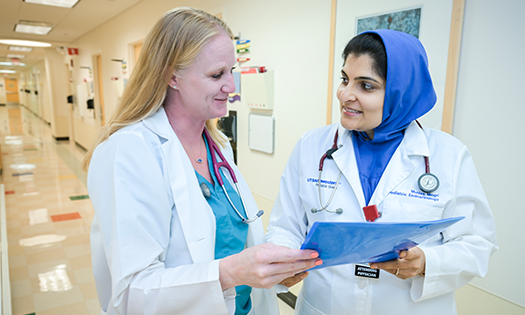
For the last decade, Children’s Health has integrated the THRIVE clinic with both the neuroNICU and prenatal care to provide continuous care from “fetus to five.” As a result, providers like Michelle Machie, M.D., Pediatric Neurologist at Children's Health and Assistant Professor at UT Southwestern, stay involved in a child’s care for years.
For example, for a child experiencing hydrocephalus Dr. Machie would:
Do an early consultation in the Children’s Health FETAL Center to discuss neurodevelopmental risks.
Monitor the child in the neuroNICU, where the child may receive surgery.
Follow up for years in the neurology clinic tied to THRIVE – looking for signs of cerebral palsy, spasticity, feeding impairment and other symptoms that the team can address before they advance.
Call in any specialist as needed. Any concerns about seizures could be handled through the epilepsy service housed within the THRIVE clinic.
That continuity of care builds a deep and invaluable level of trust between provider and family.
“In other settings parents show up with a binder and say, ‘We were in the NICU for nine months. Here are the records,’” explains Dr. Machie. “That isn’t necessary with us. I’ve known the child since they were born.”
Babies’ brains can overcome a lot – if you intervene early enough
The “fetus to five” approach is validated by the power of a child’s brain. For the first few months and years of life, our brains grow and adapt so dramatically that the right interventions can have a gigantic effect.
“The amount of neuronal plasticity and regeneration that happens during this period – there is nothing else like it throughout our lives,” says Dr. Chalak.
Constraint therapy is a simple intervention that proves the point. For brain injuries that concentrate on one side and lead to asymmetric motor patterns, therapists can constrain the baby’s favored arm and force the brain to use the underused one. Before long, the brain will rewire to take advantage of that arm, and the arm itself will get stronger.
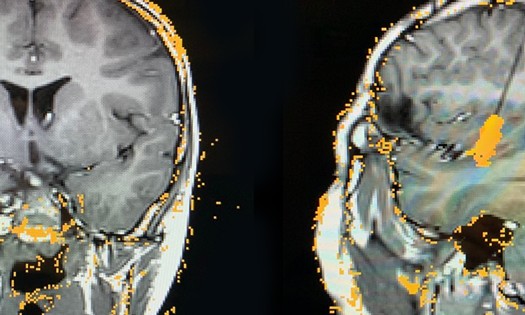
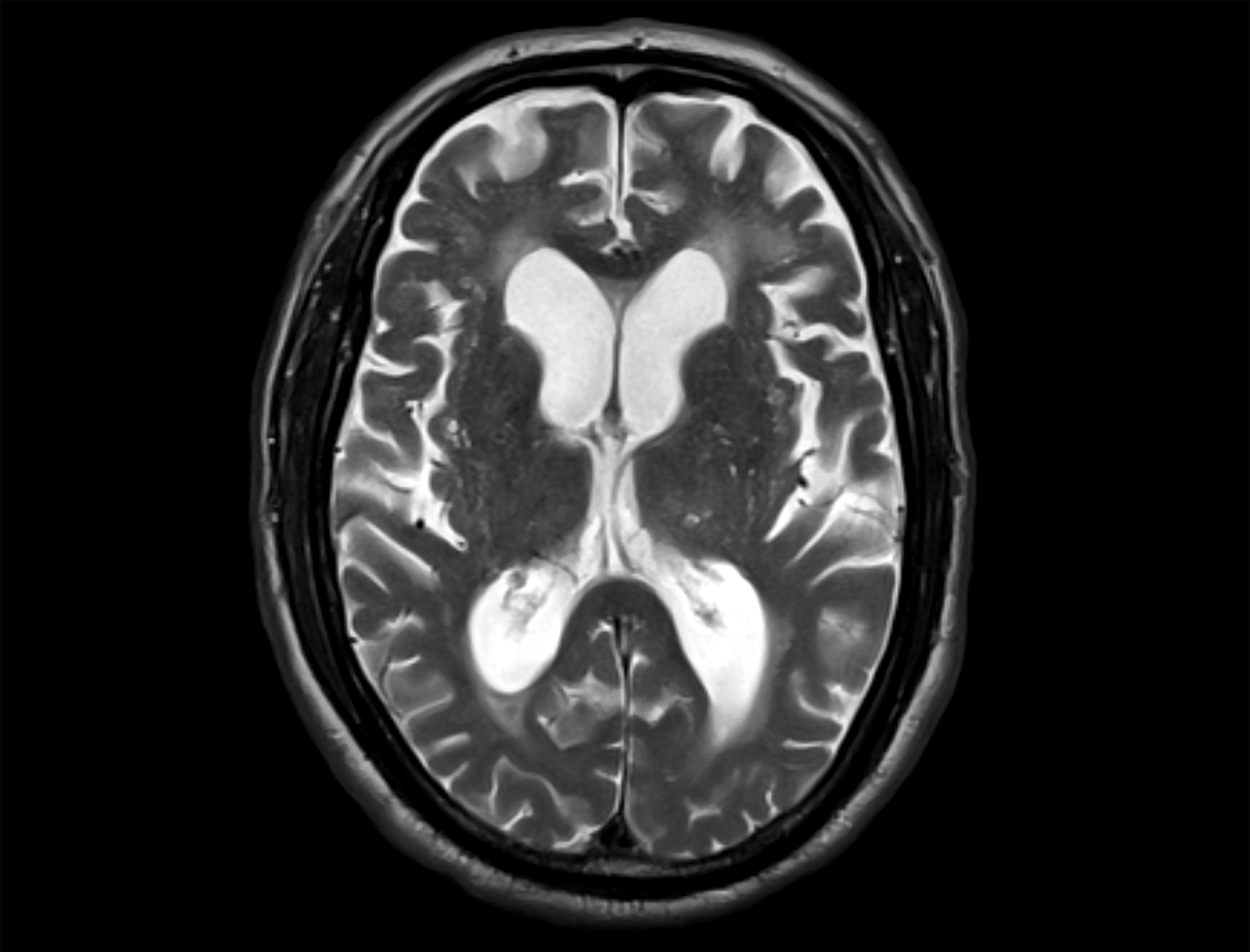
Dr. Machie also recalls one of her first patients: a girl admitted to the NICU at three days old because of hypoglycemia that had caused seizures and feeding problems. An MRI confirmed damage to the brain.
“I still remember showing her parents the brain scans, and the fear they felt about what her future might be,” she says.
The team administered glucose infusions and anti-seizure medication, and their quick action minimized the long-term impact of the injury. Eight years later, the child has no visual impairment and her occasional seizures are well managed with a single medication.
“She’s a thriving third grader who loves to paint and ride her bike. It almost feels like family when we check in, because I've known her for such a long time,” Dr. Machie says.
Learn more about the Thrive Program and how we care for the tiniest of patients.